What Type of Knife is Best for Self Defense
Table of Contents
- Introduction
- Fixed Blade vs. Folding Knife
- Essential Blade Geometries
- Steel Selection and Durability
- Ergonomics and Grip Security
- Carry Methods and Concealment
- Training and Mindset
- Building Your Loadout with Crate Club
- Legal and Ethical Considerations
- Conclusion
- FAQ
Introduction
In a high-stress, close-quarters encounter, your primary weapon may be out of reach or compromised. This is where a dedicated defensive knife becomes the final line of insurance. Selecting the right tool is not about finding the most aggressive-looking blade on the shelf; it is about finding a tool that balances deployment speed, structural integrity, and ergonomic reliability. At Crate Club, we prioritize gear that has been field-tested by Special Operations veterans who understand that a tool must work every time, regardless of the environment. This guide covers the critical factors of blade geometry, lock mechanisms, and carry methods to help you identify which steel belongs on your belt. The best knife for self-defense is the one that is legally carried, instantly accessible, and capable of performing under extreme physiological stress.
Quick Answer: The best knife for self-defense is typically a fixed-blade knife with a blade length between 3 and 5 inches. Fixed blades offer superior structural strength and faster deployment because there is no folding mechanism to fail or fumbled opening under stress.
Fixed Blade vs. Folding Knife
The debate between fixed blades and folders is the first hurdle in selection. For a dedicated defensive role, the fixed blade is the professional choice. A fixed blade is a solid piece of steel that extends from the tip through the handle, a design known as a full tang. This construction eliminates the weakest point of any knife: the pivot and the lock. In a defensive struggle, the lateral pressure and impact forces can cause even high-quality folding locks to fail, potentially injuring the user.
Folding knives, or EDC (Everyday Carry) folders, are more common for civilian carry due to their discrete nature and legal versatility. If you choose a folder for defense, the locking mechanism is paramount. You should look for robust designs like the frame lock, liner lock, or proprietary locks from reputable brands like Benchmade or Spyderco. However, even the best folder requires fine motor skills to open—skills that often evaporate during a high-adrenaline event.
Why Fixed Blades Win
- Instant Deployment: There is no thumb stud to find or flipper to press. You pull the knife from the sheath, and it is ready.
- Strength: You can leverage the entire tool without fearing a lock collapse.
- Low Maintenance: No moving parts mean no sand or lint can jam the mechanism.
When to Carry a Folder
A folder is often the "plan B" when a fixed blade is not legally permissible or practical for your attire. If you must carry a folder, ensure it has a deep-carry pocket clip for concealment and a textured handle for a secure grip. Many operators prefer folders with a Wave feature—a small hook on the spine of the blade that catches the pocket corner upon drawing, automatically opening the knife as it leaves the pocket.
Field Note: If you carry a folder, practice your draw stroke until it is muscle memory. In a real fight, you will not have the luxury of looking down at your pocket to find the thumb stud.
Essential Blade Geometries
Blade shape dictates how a knife cuts, pierces, and holds up over time. For self-defense, certain geometries excel at specific tasks. You can compare examples of tactical and utility blades in the Crate Club Gear Shop.
The Tanto Point
The Tanto is designed for piercing. It features a high point with a flat grind, creating a reinforced tip that can penetrate tough materials without snapping. This design is inspired by Japanese armor-piercing blades. It is a top choice for tactical applications where you might need to punch through heavy clothing or gear.
The Drop Point
A Drop Point blade is the most versatile. The spine of the knife curves down to meet the point. This creates a strong tip that is easier to control. While it is less aggressive than a Tanto, its utility makes it a favorite for those who want their defensive knife to double as a survival or utility tool.
The Karambit
The Karambit is a specialized tool featuring a curved, hawkbill blade and a safety ring on the handle. It is designed for hooking and slashing. While devastating in trained hands, the Karambit requires specific training to use effectively. Without that training, the curved blade can be difficult to manage for standard utility tasks.
The Spear Point
A Spear Point is symmetrical and designed for thrusting. It is often found on daggers. While excellent for piercing, spear points often lack a "belly" for slicing, making them less useful for general preparedness tasks.
Bottom line: For most users, a Tanto or a reinforced Drop Point provides the best balance of piercing power and structural durability.
Steel Selection and Durability
Not all steel is created equal. In a defensive knife, you need a balance of edge retention, toughness, and corrosion resistance.
- 1095 Carbon Steel: Frequently used in fixed blades. It is incredibly tough and easy to sharpen, but it will rust if not coated or maintained.
- S30V / S35VN: High-end stainless steels that hold an edge for a long time. They are excellent for folders but can be more difficult to sharpen in the field.
- D2 Tool Steel: A semi-stainless steel that is very hard and wear-resistant. It is a common choice for mid-tier tactical knives found in our Captain tier crates.
When you are looking for gear that lasts, avoid "mystery stainless" often found in cheap, off-brand knives. These metals are prone to chipping or bending when they hit something hard, like a belt buckle or a bone. We ensure our members receive knives made from established steels that professionals trust in the field. See how knife-focused gear has appeared in past Captain Supply Drop crates.
Ergonomics and Grip Security
A knife is only useful if you can hold onto it. When your heart rate is 150 beats per minute and your hands are slick with sweat, rain, or blood, a smooth handle is a liability.
Handle Materials
- G-10: A high-pressure fiberglass laminate. It is nearly indestructible, does not absorb moisture, and can be aggressively textured for a sandpaper-like grip.
- Micarta: Layers of linen or canvas in resin. It provides an excellent grip even when wet, as the fibers swell slightly to create more surface area.
- Rubberized Overmolds: Great for comfort but can degrade over years of exposure to heat and chemicals.
Design Features
Look for a knife with a choil—a notch where the blade meets the handle—or a guard that prevents your hand from sliding forward onto the sharp edge during a thrust. Jimping, which are small notches cut into the spine of the blade, provides extra thumb traction for controlled movements.
Key Takeaway: Prioritize handle texture and a physical guard over aesthetics. A defensive knife must stay in your hand during the violent motion of a physical altercation.
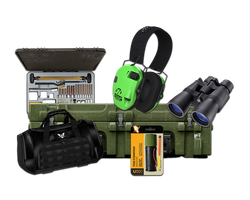
For examples of D2 steel, full-tang construction, and textured handles, explore the Major XIX Supply Drop breakdown.
Carry Methods and Concealment
Where you carry your knife is just as important as the knife itself. If it is buried in a backpack, it is not a defensive tool; it is luggage. Browse the individual knife and carry gear collection when comparing practical setups.
The Sheath System
For fixed blades, the sheath should be made of Kydex or a similar hard thermoplastic. Kydex provides "passive retention," meaning the knife clicks into place and stays there until you pull it out. Avoid leather sheaths for tactical carry, as they can soften over time and lose their retention.
Mounting Options
- IWB (Inside the Waistband): Best for concealment. Use a clip like an UltiClip to secure the sheath to your pants or belt.
- OWB (Outside the Waistband): More comfortable but requires a cover garment like a jacket or untucked shirt.
- Scout Carry: Horizontal carry on the small of the back. It is discrete but can be difficult to re-sheath.
- Neck Carry: Small fixed blades can be hung around the neck. This is a great "backup" position but can be slow to access under a tucked-in shirt.
Past crate contents also show how fixed blades can support multiple carry positions, as seen in the Lieutenant III Supply Drop.
Training and Mindset
Owning a Spec Ops-vetted knife does not make you a tactician. A knife is a tool of proximity. If you carry one for defense, you must acknowledge that using it means you are in a life-threatening, close-quarters situation.
Training is non-negotiable. This includes:
- Deployment Drills: Practice drawing the knife from concealment until it is a fluid motion.
- Retention: Learn how to keep someone from taking the knife away from you.
- Legal Knowledge: Understand the knife laws in your specific jurisdiction. Some states have strict limits on blade length, automatic openings, or double-edged blades (daggers).
The goal of defensive training is to end the threat and create space so you can escape. It is not about "winning" a knife fight—it is about surviving an ambush.
Building Your Loadout with Crate Club
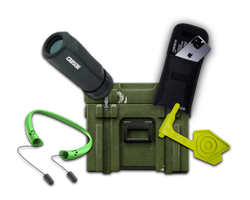
Selecting gear is a process of trial and error that most people don't have the time or budget for. We solve that by putting professional-grade tools directly into your hands. Our team of Spec Ops veterans field-tests every item, ensuring that the blades we include in our tiers are more than just "show ponies." You can choose your Crate Club subscription tier based on your experience and gear priorities.
- Lieutenant Tier: Ideal for those starting their EDC journey. You will find reliable folding knives and essential survival tools to build a foundation.
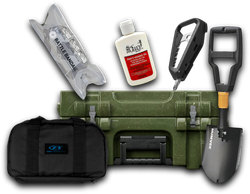
- Captain Tier: Our most popular option. This tier often features higher-end EDC folders and tactical fixed blades from brands like Gerber, CRKT, and Fox Edge. It is built for the everyday user who wants a serious defensive edge.
- Major Tier: For the experienced tactician. This includes premium steel, advanced optics, and specialized medical kits.
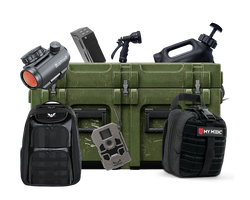
- General Tier: The pinnacle of tactical gear. This is real-issue equipment, including custom-designed tools and premium tactical blades that are often difficult to find on the open market.
The Captain What's Inside page offers a closer look at the type of gear associated with this popular tier.
By subscribing to Crate Club, you ensure that your defensive kit is built on a foundation of quality and experience rather than a random search on a retail site.
Legal and Ethical Considerations
Before you strap a 5-inch Tanto to your belt, you must understand the legal landscape. Knife laws in the United States are a patchwork of state and local ordinances.
- Blade Length: Many cities have a 3-inch or 4-inch limit for concealed carry.
- Mechanism: Automatic knives (switchblades) are legal in many states but strictly prohibited in others.
- Intent: In some jurisdictions, the mere mention that a knife is for "self-defense" can change its legal status from a tool to a weapon, affecting how a prosecutor might view a defensive encounter.
Always frame your carry as a "multipurpose tool" that you are trained to use. Responsibility is a hallmark of the tactical community. We carry tools to protect ourselves and our families, and that includes staying on the right side of the law.
Conclusion
The best knife for self-defense is a high-quality fixed blade or a robust folder that you have trained with extensively. It should feature a secure grip, a durable steel like D2 or S35VN, and a carry system that allows for rapid deployment under pressure. Whether you are a veteran, a prepper, or a civilian concerned about personal safety, your gear must be as reliable as your mindset.
We help you skip the guesswork by delivering vetted, operator-approved gear through our subscription tiers. From the everyday carry essentials in the Lieutenant and Captain tiers to the professional-grade equipment in the Major and General crates, you can start receiving tactical gear every month.
Bottom line: Don't settle for "sissy stuff" when your safety is on the line. Invest in a blade that has been tested by those who have been there.
Next Steps
- Check your local laws to see what blade lengths and types are legal to carry concealed.
- Choose a carry position and practice your draw stroke with an unloaded or trainer version of your knife.
- Explore the Crate Club subscription tiers](https://crateclub.com/pages/subscribe) to start receiving Spec Ops-vetted tactical gear every month.
FAQ
Is a fixed blade better than a folder for self-defense?
Yes, a fixed blade is generally superior for self-defense because it has no mechanical parts to fail and is faster to deploy. Folding knives are more convenient for daily carry and concealment, but they require more training to open reliably under the stress of a physical encounter.
What is the best blade shape for a tactical knife?
The Tanto and Drop Point are the most recommended shapes. The Tanto excels at piercing through tough materials like heavy clothing or gear, while the Drop Point offers a balance of piercing and slicing capability, making it more versatile for general utility tasks as well.
Is it legal to carry a knife for self-defense?
Knife laws vary significantly by state and city in the US. Some areas restrict blade length, locking mechanisms, or concealment. Always research your local and state statutes to ensure your carry method is compliant, and consider seeking professional training to understand the ethical use of force.
What should I look for in a knife handle?
Prioritize materials like G-10 or Micarta, which provide a secure grip even when your hands are wet or sweaty. Look for ergonomic features like a finger guard or deep texturing to prevent your hand from slipping onto the blade during use.
Share this article