What Are Satellite Phones Used For in Tactical and Survival Ops
Table of Contents
- Introduction
- The Fundamentals: How Satellite Communication Bypasses the Grid
- Primary Use Cases for Satellite Phones
- Comparing Satellite Phones to Other Off-Grid Tools
- Essential Features to Look For
- The Reality of Costs: Subscriptions and Airtime
- Modern Innovations: Smartphones and Hotspots
- Operating a Satellite Phone: Field Procedures
- Legal Considerations and Restrictions
- Building Your Communication Loadout
- Conclusion
- FAQ
Introduction
You are forty miles into the backcountry, well beyond the reach of the nearest cell tower, and the weather just took a turn for the worse. Or perhaps you are operating in a post-disaster environment where the local cellular infrastructure has been flattened by a hurricane or crippled by a grid failure. In these moments, a standard smartphone becomes nothing more than a high-tech paperweight. This is where satellite phones—or satphones—become the primary line of communication for the serious operator.
At Crate Club, we prioritize gear that works when everything else fails. Our team of Spec Ops veterans knows that communication is the backbone of any successful mission or survival plan. Understanding what satellite phones are used for is not just about knowing how to make a call; it is about understanding how to maintain a link to the world when terrestrial networks are non-existent. This guide breaks down the practical applications, technical requirements, and selection criteria for satellite communication in tactical and survival scenarios. If you are building a broader communications loadout, review these eight essentials for a tactical loadout and choose a Crate Club subscription to keep developing your kit.
The Fundamentals: How Satellite Communication Bypasses the Grid
To understand why satellite phones are used, you must first understand what they bypass. Standard cellular phones rely on a network of ground-based towers. These towers have a limited range and are vulnerable to physical damage, power outages, and network congestion. If a tower is down or you are out of range, your signal has nowhere to go.
Satellite phones bypass this terrestrial infrastructure entirely. Instead of searching for a tower, they transmit signals directly to satellites orbiting the Earth. These satellites then relay the signal back down to a ground station, which connects the call to the Public Switched Telephone Network (PSTN)—the global system that handles landlines and cellular calls.
LEO vs. GEO Networks
Not all satellite networks are created equal. The two primary types of satellite constellations determine how and where you can use your device.
Low Earth Orbit (LEO): These satellites orbit at an altitude of roughly 400 to 700 miles. Because they are closer to Earth, the delay in the signal—known as latency—is minimal. Constellations like Iridium use a "mesh" of 66 satellites that cross the poles, providing truly global coverage. If you are at the North Pole or in the middle of the Sahara, an LEO-based phone will find a signal.
Geostationary Orbit (GEO): These satellites sit much higher, approximately 22,236 miles above the Earth, and remain fixed over a specific point on the equator. Because they are so far away, there is a noticeable lag in voice calls. Networks like Inmarsat and Thuraya use GEO satellites. They provide excellent coverage in most populated areas but often fail near the polar regions or in deep canyons where the line of sight to the equator is blocked.
Quick Answer: Satellite phones are used to provide voice, text, and low-bandwidth data communication in areas where traditional cell towers are unavailable or destroyed. They are essential for remote expeditions, disaster response, maritime operations, and tactical deployments where maintaining a link to command or emergency services is critical.
Primary Use Cases for Satellite Phones
For the civilian prepper or the professional operator, a satphone is a specialized tool. It is not meant for scrolling social media; it is meant for life-saving communication and operational coordination. For a broader look at equipment selection, read what tactical gear is used for.
1. Emergency and Disaster Response
In the immediate aftermath of a natural disaster, terrestrial networks are almost always the first thing to go. Towers are blown over, fiber optic lines are severed, and the remaining functional towers are instantly overwhelmed by thousands of people trying to call home at once.
Emergency responders and search and rescue (SAR) teams use satellite phones to coordinate logistics, request medical evacuations (MEDEVAC), and report status updates. For a family in a disaster zone, a satphone allows them to contact out-of-state relatives or emergency services when the local 911 infrastructure is dark. Pairing communications with the right preparedness equipment is easier when you browse the Gear Shop for individual tools.
2. Backcountry Survival and Expeditions
Whether you are hunting in the Alaskan wilderness or hiking the Continental Divide, you will eventually hit "dead zones." In these environments, a satellite phone is your primary insurance policy.
Many modern satphones include a dedicated SOS button. When pressed, this button sends your precise GPS coordinates to a 24/7 emergency monitoring center, such as GEOS. This triggers a search and rescue response. Unlike a Personal Locator Beacon (PLB), which only sends a one-way distress signal, a satphone allows you to speak with rescuers, providing them with critical details about the nature of the emergency and the condition of the injured party. For more ideas on assembling a remote-ready kit, explore tactical loadouts for survival situations.
3. Maritime and Aviation Operations
The middle of the ocean has zero cell towers. Sailors and offshore fishermen rely on satellite communication for weather updates, navigation data, and emergency calls. Similarly, pilots flying over remote terrain or oceanic routes use satphones as a backup to their primary radio systems.
4. Tactical and Remote Professional Use
Military units, private security contractors, and field researchers often operate in "denied environments" where local infrastructure is either non-existent or untrusted. Satellite phones provide a secure, independent channel for communication.
In these roles, satphones are used for:
- Submitting SITREPs (Situation Reports).
- Coordinating movements between different teams.
- Accessing remote data, such as weather patterns or updated intel.
- Providing a "life-line" to headquarters when operating in foreign territory.
Field Note: In a tactical environment, always remember that satellite signals can be intercepted or geo-located by sophisticated adversaries. Use short, coded messages and minimize "on-air" time to reduce your electronic signature.
Comparing Satellite Phones to Other Off-Grid Tools
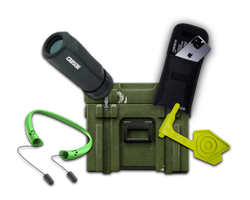
A satellite phone is often part of a broader "comm-out" (communications out) kit. It is important to know when to reach for the phone versus other tools like satellite messengers or PLBs. A Captain crate can help support a balanced mix of survival, medical, and everyday tactical equipment.
Satellite Messengers (e.g., Garmin inReach)
These devices are typically smaller and more affordable than full satellite phones. They are designed primarily for SMS (Short Message Service) texting and GPS tracking. While highly effective for check-ins, they do not support voice calls. In a fast-moving medical emergency, being able to describe symptoms over a voice call is significantly more efficient than typing on a small screen.
Personal Locator Beacons (PLBs)
A PLB is a "one-and-done" emergency tool. It has no monthly subscription and a battery that lasts for years. When activated, it sends a powerful 406 MHz signal to search and rescue satellites. However, it offers no way to receive a message or confirm that help is on the way. It is a distress signal, not a communication tool.
Satellite Phones
The satphone is the gold standard because it offers two-way voice communication. It allows for nuance, real-time decision-making, and the psychological comfort of hearing a human voice during a crisis.
| Feature | Satellite Phone | Satellite Messenger | PLB |
|---|---|---|---|
| Voice Calls | Yes | No | No |
| Two-Way Text | Yes | Yes | No |
| SOS Button | Yes | Yes | Yes |
| GPS Tracking | Yes | Yes | No |
| Subscription | Required | Required | None |
| Global Coverage | Depends on Network | High | Global |
Essential Features to Look For
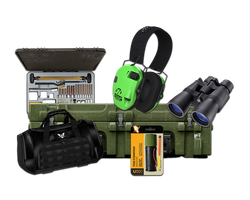
If you are building a professional-grade kit, you shouldn't just grab the cheapest unit on the shelf. You need to evaluate the gear based on the environment where it will be deployed. The Major tier is designed for experienced survivalists looking to add more advanced equipment to their preparedness collection.
Ruggedization and IP Ratings
An operator’s gear takes a beating. Look for devices with high Ingress Protection (IP) ratings. An IP65 rating means the phone is protected against dust and water jets. Some premium models, like the Iridium Extreme, are built to military standards (MIL-STD 810G) for shock, vibration, and extreme temperatures.
Battery Life and Charging Options
In a grid-down scenario, you may not have access to an AC outlet for weeks. Check the "standby" and "talk time" specs. More importantly, ensure the phone can be charged via 12V vehicle ports or portable solar panels. Some units allow for swappable batteries, which is a major advantage for long-term survival. Review communication and power considerations in a tactical loadout before finalizing your setup.
Antenna Design
Most satphones have a large, stowable antenna. For a connection to be established, this antenna must have a clear "line of sight" to the sky. Some phones are designed to work with external vehicle-mounted antennas, allowing you to maintain a connection while driving through remote terrain.
Data Capabilities
Don't expect broadband speeds. Most satphones offer data speeds between 2.4 kbps and 9.6 kbps. This is enough for basic text-only emails or weather files, but not for browsing the web. If you need higher data speeds, you move into the territory of BGAN (Broadband Global Area Network) terminals, which are larger, more expensive, and typically used for mobile command centers.
The Reality of Costs: Subscriptions and Airtime
The primary barrier to satellite phone ownership is the cost. You aren't just buying the hardware; you are paying for access to a multi-billion dollar satellite constellation.
Hardware Costs: Expect to pay anywhere from $600 for a basic, refurbished unit to over $1,500 for a top-tier, ruggedized LEO phone.
Service Plans: Most providers offer two types of plans:
- Post-paid: You pay a monthly fee (similar to a standard cell plan) and a per-minute rate for calls. This is best for professional users who need the phone to be "always on."
- Pre-paid: You buy a set number of minutes that expire after a certain period (e.g., 100 minutes valid for 90 days). This is the preferred choice for seasonal hunters or preppers keeping a phone in a "Go-Bag."
Key Takeaway: Satellite phones are a recurring investment. The hardware is useless without an active airtime plan. For many casual users, renting a phone for a specific expedition is a more cost-effective way to access the technology.
Modern Innovations: Smartphones and Hotspots
The technology is evolving. We are seeing a bridge between standard consumer tech and professional satellite hardware. To compare communication equipment with other field-ready tools, explore the Crate Club Gear Shop.
Satellite Hotspots
Devices like the Iridium GO! act as a bridge. They are rugged satellite antennas that create a small Wi-Fi hotspot. You connect your standard smartphone to this hotspot via an app, allowing you to use your phone's interface to send satellite texts or make calls. This is a popular option for teams who want to keep their existing smartphones but need satellite reach.
Direct-to-Cell Technology
As mentioned in recent industry updates, companies like SpaceX (Starlink) and Apple are integrating satellite connectivity directly into smartphones. The iPhone 14 and newer models now feature "Emergency SOS via Satellite." While this is a massive leap forward for civilian safety, these systems are currently limited to text-based emergency messaging and do not yet offer the robust, dedicated voice capabilities of a standalone Iridium or Inmarsat handset.
Operating a Satellite Phone: Field Procedures
Using a satphone isn't as simple as pulling it out of your pocket and hitting "dial." There is a specific procedure to ensure your call goes through when it matters. The same principle applies across a broader tactical loadout: practice with your equipment before an emergency.
- Step 1: Get Outside. Satellite signals cannot penetrate rooftops or heavy foliage. You need a clear, unobstructed view of the sky.
- Step 2: Deploy the Antenna. Fully extend and rotate the antenna. Most satphone antennas are directional; they need to be pointed generally toward the satellite's position in the sky.
- Step 3: Wait for Registration. The phone must "handshake" with the satellite constellation. This can take anywhere from 30 seconds to several minutes depending on your location and the network.
- Step 4: Dial Correctly. Satellite phones use international dialing formats. To call a US number, you typically dial 00 (the international exit code), then 1 (the US country code), then the area code and number.
- Step 5: Account for Latency. Especially on GEO networks, there will be a delay. Speak clearly, keep messages concise, and wait a second after the other person finishes speaking before you respond.
Bottom line: A satellite phone is a professional tool that requires practice. Do not wait until an actual emergency to learn how to deploy the antenna and navigate the dialing sequence.
Legal Considerations and Restrictions
Before you pack a satellite phone for international travel, you must check local laws. Because satphones bypass local telecommunications grids, some governments view them as a threat to national security.
Countries such as India, China, Russia, Myanmar, and North Korea have strict regulations or outright bans on the use of satellite phones by civilians. Entering these countries with an undeclared satphone can lead to confiscation of the gear or even arrest. Always research the legal status of satellite communication in your destination country.
Building Your Communication Loadout
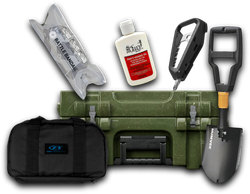
At Crate Club, we believe in a tiered approach to preparedness. Your communication plan should reflect that. Beginners can start with the Lieutenant tier, which focuses on essential survival and everyday carry equipment.
For a beginner or an everyday carry (EDC) enthusiast, the Lieutenant tier focuses on the essentials—tools that keep you moving and basic survival gear. As you move into the Captain tier, you start looking at more robust systems, including advanced medical kits and communication support.
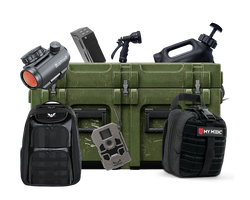
For the serious operator or the prepper building a "forever" kit, the Major or General tiers are where you find the high-performance gear that includes professional-grade lighting, optics, and the potential for satellite-integrated tools. A satellite phone belongs in the kit of anyone who understands that "no signal" is not an option when lives are on the line. You can also explore the General tier for a more advanced equipment path.
Conclusion
Satellite phones are used to bridge the gap between civilization and the wilderness, and between stability and disaster. They are the ultimate contingency for the modern tactician. Whether it is a rugged Iridium handset for a polar expedition or a satellite hotspot for a remote security detail, these devices ensure that you are never truly alone, no matter how far off the grid you travel.
Owning a satellite phone is about more than just buying a gadget; it is about committing to a higher level of self-reliance and situational awareness. It is a vital component of any comprehensive survival plan.
- Audit your needs: Determine if you need global coverage (LEO) or regional reliability (GEO).
- Plan your power: Ensure you have solar or vehicle-based charging solutions.
- Practice the protocols: Familiarize yourself with international dialing and antenna placement.
If you are ready to upgrade your tactical loadout with gear that is field-tested by Spec Ops veterans, explore the subscription tiers and join a community that takes preparedness as seriously as you do.
FAQ
Can I use a satellite phone indoors?
Generally, no. Satellite phones require a direct line of sight to the sky to connect with orbiting satellites. While you might get a weak signal near a large window, reliable communication requires you to be outside away from tall buildings, dense tree cover, or mountain overhangs.
Are satellite phone calls private?
Modern satellite networks like Iridium and Inmarsat use encryption for voice traffic, making them more secure than old-school analog radios. However, like any wireless communication, they are not 100% immune to sophisticated interception. For sensitive operations, operators often use additional hardware-based encryption tools.
What happens if I press the SOS button?
When the SOS button is activated, the device sends your GPS coordinates and a distress message to a coordinated emergency response center. These centers then contact the appropriate local authorities—such as the Coast Guard, State Police, or Search and Rescue teams—to initiate a rescue operation based on your location.
Why are satellite phone calls so expensive?
The cost reflects the massive infrastructure required to maintain a fleet of satellites in space and the ground stations that link them to the rest of the world. Launching and maintaining these constellations costs billions of dollars, and the relatively small number of users compared to cellular networks means the cost per user remains high.
Share this article